Amel Voyage
6 jours, 6 portsPromotion
Italy,France,Spain,Portugal
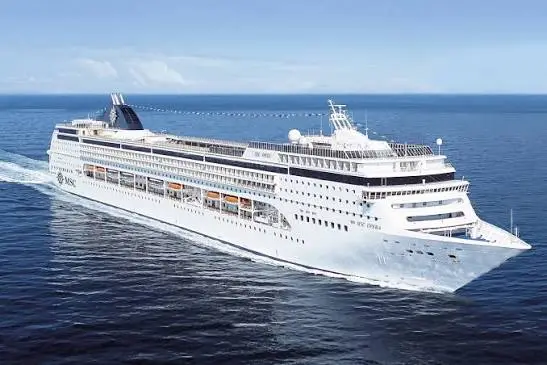
MSC OPERA
MÉDITERRANÉE
30 septembre 2026 → 5 octobre 2026
À partir de

529.00 TND/ pers.
Départ le 30 sept. 2026
Cette date n'est plus disponible à la réservation
Voir tous les départs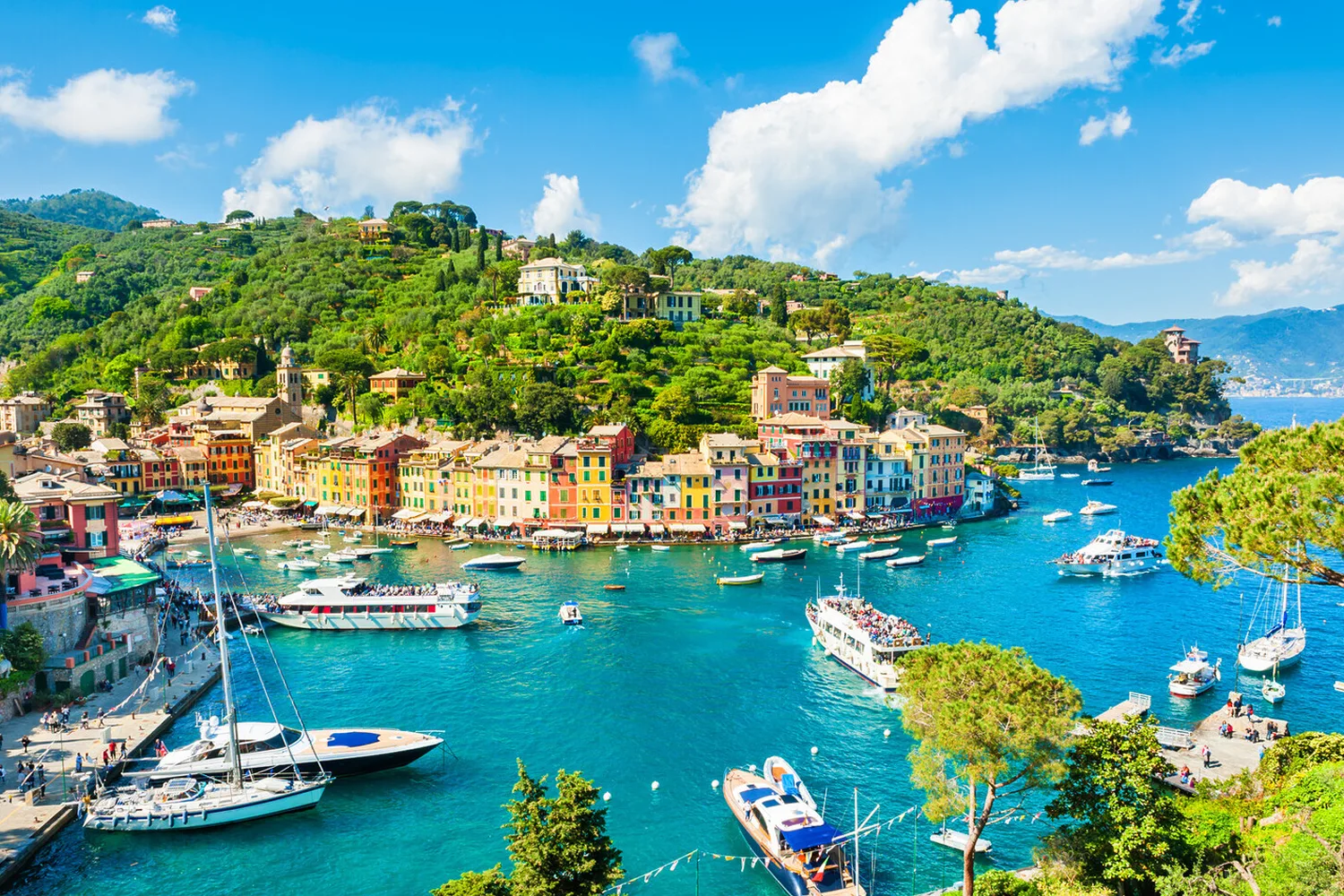
Italie
Genoa | Portofino
JOUR 1
Départ : 18h00
The Superb: that was the name of the city with a mysterious charm, devoted to the sea and tied to the land. It is said that the Ligurians, brave sailors as well as successful farmers, arrived here from the northern coast of Spain and in this connection they are said to be very close, almost brothers to other populations with characteristics astonishingly similar to the Ligurians: Basques, Celts, Scots and Bretons. The so-called brother populations.<br> The characteristics of the city are impressive. Enclosed by the Apennines where many quarters have been erected and by the sea, the city runs along over 30 kilometres between Nervi and Voltri, east to west, in a strip of land inhabited by at least 700,000 people.<br> <b>Genoa</b> has known times of immense grandeur in its history, and its fate has always been tied to the port, both in good and bad fortune, the most important Italian commercial port and one of the most important in the Mediterranean, very busy with commerce and industry.<br> The most glorious period of <b>Genoa</b> Maritime Republic ranges between the 11th and the 14th centuries. After having defeated Pisa (in 1248), <b>Genoa</b> dominated the Tyrrhenian Sea and extended its colonies, its business and its ports from Corsica to North Africa, the Aegean islands, Syria and the far away Crimea. However, in the East it fought with its rival, Venice, and was defeated in the war in 1381. The 15th century was characterised by internal conflicts among noble families, the Spinola, the Fieschi, the Doria, the Adorno, the Fregoso. Such families struggled for power and supreme authority of the doge and the city several times resorted to foreign protection. In 1528 Admiral Andrea Doria saved the city from total surrender, establishing and ensuring the independence of the Republic which lasted up to Napoleon. After this period, in 1814, it was annexed to Piedmont.<br> From the historical and artistic points of view, <b>Genoa</b> has always been a very rich city. The inestimable heritage of its families made the city one of the richest in the world and contributed to gather in <b>Genoa</b> extraordinarily talented artists who built palaces with high architectural value and masterpieces only partly survived in our times.<br> The old quarters stretching from the port, Via Garibaldi and Piazza De Ferrari, so typical for the network of narrow tracks and alleys denominated "caruggi" often only two-metre wide and sided by eight-storey buildings, are filled with Middle Age monuments. San Donato and Santa Maria di Castello churches, the Cathedral, Sant'Andrea Gate and the Doria houses and San Giorgio palace.<br> Black and white marble churches are characteristic, such as San Lorenzo and San Luca, two of the most extraordinary examples of 15th century art.<br> Wealthy <b>Genoa</b> lives around Piazza De Ferrari, the round square with a round fountain in the middle, the Opera House and Palazzo Ducale, Via XX Settembre, via XXV Aprile and Via Garibaldi. <br> The Lantern is the symbol of the city, the most ancient lighthouse still operating. The legend tells that the sudden turning off of the light, a remote possibility given present technology, would have brought five years and five months of misfortune to the city. The lighthouse tower, almost one thousand years old, has apparently been erected in several ages and one of the latest designers was apparently thrown from the top by the Doge, to prevent him from realising such a masterpiece elsewhere.<br> <b>Genoa</b> offers extraordinary excursions along the coast. Portofino, the most renowned fishing village in the world, sung by Frank Sinatra and illustrated in several colossals, is undoubtedly one of the most attractive places. The biggest aquarium in Europe, realised at the time of the celebrations for the five hundred years since the discovery of America, in the name of the most popular Genoese, Christopher Columbus, hosts an extraordinary variety of plant and fish species. Presently it is the third most visited attraction in Italy after Pompeii and Rome Vatican Museums. <br> <b>Genoa</b> cuisine is very varied, and more influenced by farming tradition than by the sea. In fact, dishes are mainly composed of flour, vegetables and herbs with a unique flavour given the proximity of the sea. Among so many specialities it is worth mentioning salted anchovies dressed with oil and oregano, the frixieu, salted pancake with parsley, onions and garlic or filled with "bianchetti", or cakes with raisin. Specialities include many sauces and starters: the "pansoti", to be tasted with nuts sauce, "ravioli di magro" with tomato and meat sauce, and the renowned pesto, a green sauce with basil, pecorino cheese, garlic, oil and pine fruits, to dress lasagne, troffie or trenette. As a main course, we suggest to taste "cima" (rolled meat filled with vegetables), "farinata" (special thin bread made with chick peas flour), the "torta pasqualina" (with beetroots, spinach or artichokes) and focaccia (thin salted bread), the most popular Ligurian speciality in the world together with pesto.